
Newsletter Subscribe
Enter your email address below and subscribe to our newsletter

All voices matter
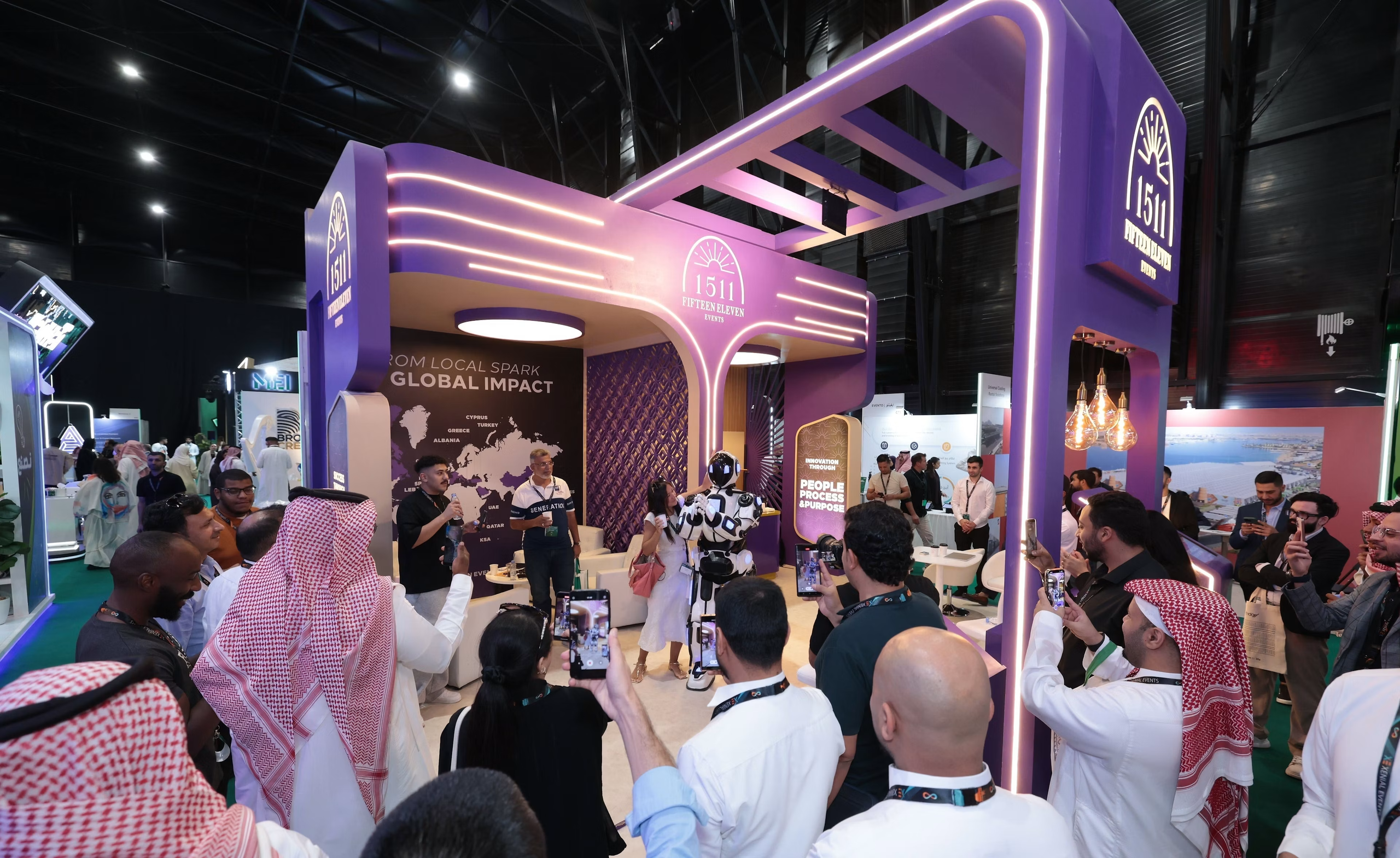

Sustainability used to be a line added to event proposals to please a client or polish a press release. As Saudi Arabia’s events, conferences, and exhibitions market keeps expanding, sustainability is turning into an operational line item with real numbers attached: lower waste-management costs, contractual requirements from corporate clients, and international standards showing up in tender documents. For organizers and suppliers, understanding this shift is no longer a nice-to-have. It’s a competitive factor.
The Saudi Event Show 2026, set for September 9-10 at The Arena in Riyadh, captures this shift clearly. The show brings together more than 5,500 industry professionals and 100+ exhibitors, with an agenda of 30+ free seminar sessions covering event technology, production, sustainability, and talent development. The Saudi Event Awards 2026, held September 10 at the JW Marriott Riyadh, includes a dedicated award category for event technology and innovation that explicitly covers sustainability alongside lighting, sound, and video solutions. Giving sustainability its own judged, awarded category is a clear signal the market now treats it as a professional standard rather than a marketing add-on.
ISO 20121, the international standard for event sustainability management updated in 2024, gives organizers a practical framework for planning and running events with lower environmental impact and better operational efficiency. Its relevance in the Saudi market tracks directly with the growth of conferences, exhibitions, and entertainment and sporting events under Vision 2030, where some organizing bodies and large corporations now require documented sustainability compliance from suppliers as part of their tender requirements. On the cost side, documented international case studies show major sporting venues that implemented the standard cut utility costs — energy, water, and waste management combined — by as much as 15% through better resource management. That’s a useful reminder that sustainability compliance isn’t just a cost center; it’s a lever for controlling operating spend.
Saudi Arabia’s construction sector has seen notable growth in LEED green building certification. Jameel Square in Jeddah became the first commercial building in the Kingdom to achieve LEED Gold. More broadly, Riyadh alone recorded more than 700 LEED-certified projects between 2008 and 2024, putting Saudi Arabia sixth globally (outside the US and Canada) for LEED-certified space as of 2023. This matters directly for event organizers: booking a venue or conference center with a recognized environmental certification is now a sellable point to corporate clients whose internal policies require environmental compliance from vendors.
At the national level, environmental authorities are working on plans to grow the waste management sector toward a 95% recycling rate, with estimates that the sector could contribute more than SAR 120 billion to GDP and create around 100,000 jobs. The National Center for Waste Management’s Udeem initiative supports this direction through incentives, partnerships, and awareness programs for both public and private sectors. For large-scale events — trade exhibitions and seasonal festivals alike — taking waste seriously (packaging, hospitality waste, temporary decor and staging materials) is no longer just an environmental commitment. It’s a measurable line in the operating budget, and in some cases, a permitting requirement for larger events.
Sources



