
Newsletter Subscribe
Enter your email address below and subscribe to our newsletter

All voices matter
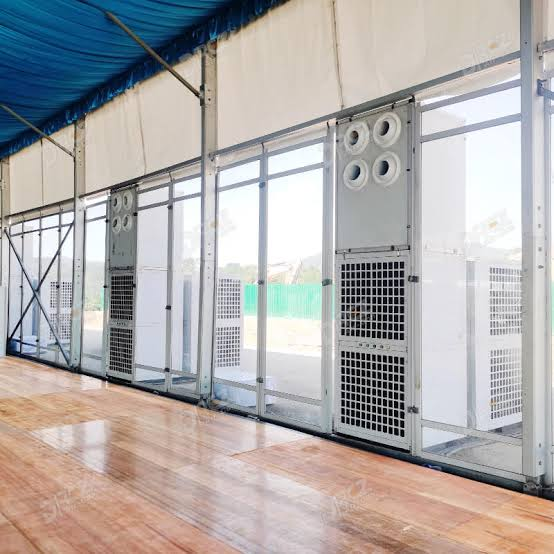
Among all the line items in a Saudi event budget, one is quietly shifting from an operational afterthought to a strategic decision that belongs on a CXO’s desk: air conditioning. According to Mordor Intelligence’s Saudi Arabia Event Management Market report (last updated 12 August 2026), cooling expenses for summer outdoor events can climb to 70% of the operational budget, with a single medium-scale outdoor concert incurring up to $200,000 in temporary HVAC outlay alone.
With summer temperatures topping 45°C across large parts of the Kingdom, climate control has stopped being a line item to sort out later — it’s now a factor that determines whether an outdoor event is viable at all. The report flags this specifically as a “restraint” on the growth of Saudi Arabia’s event management market, alongside the shortage of certified talent and sponsorship fatigue.
The gap between newer and legacy venues is becoming a real differentiator:
That means choosing a venue is no longer just about the published rental fee — it now has to factor in how climate-ready the site’s infrastructure actually is.
The report notes that summer cooling pressure is pushing more events into the milder months, which in turn raises booking rates and tightens venue and hotel availability across autumn, winter and spring — intensifying competition among organizers for the same limited windows.
Sources


