
Newsletter Subscribe
Enter your email address below and subscribe to our newsletter

All voices matter
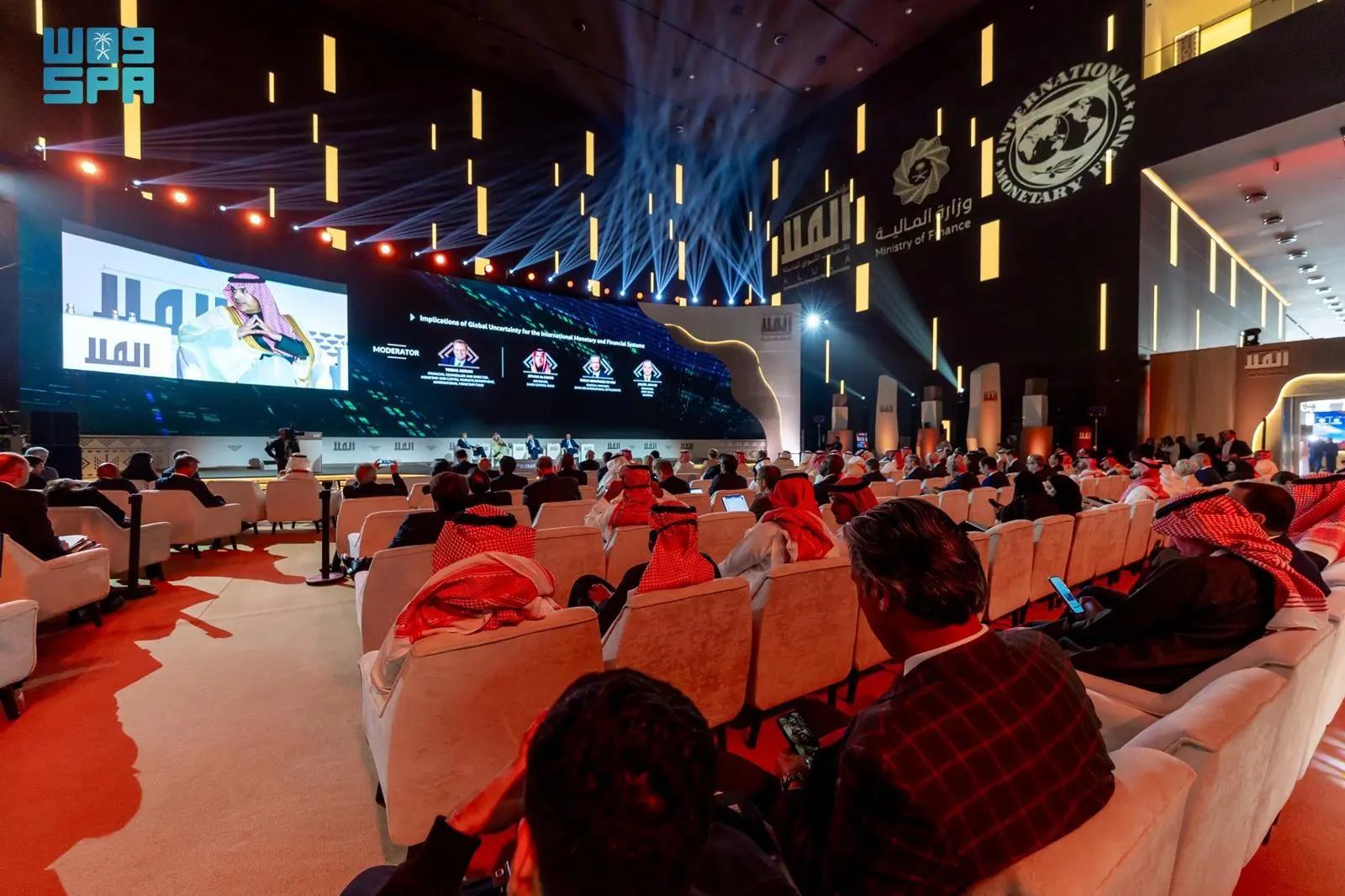
Saudi event budgets have spent the past year absorbing higher airfares, hotel rates, and production costs. But a second, quieter pressure point is emerging for 2026-27 planning cycles: currency exposure on cross-border vendor and talent contracts. For event CXOs who sign off on international speaker fees, European production partners, and imported AV equipment, the currency in which a contract is denominated is becoming as important as the headline price.
The newly released 2027 Global Business Travel Forecast from the Global Business Travel Association (GBTA) and ALTOUR, published July 28, 2026, confirms that meetings and events budgets are not done rising. Cost per attendee per day is forecast to increase roughly 3.0% to $263 in 2026, before a further 1.5% rise to $267 in 2027. Airfares are forecast to average $756 in 2026, up 4.7% year-on-year, driven largely by an energy-market shock earlier in the year and persistent labor cost inflation across airlines, hotels, and event production crews. Global hotel average daily rates are projected to climb 3.7% to $168 in 2026.
The report explicitly lists currency fluctuations, alongside energy prices and labor costs, as one of the structural forces reshaping the cost of international travel and events programs going into 2027 — a detail budget-holders sourcing internationally cannot afford to ignore.
Saudi organizations enjoy a structural advantage most global peers do not: the riyal’s peg to the US dollar at 3.75, which the Saudi Central Bank (SAMA) Governor Ayman Al-Sayari reaffirmed in February 2026 has helped keep average annual inflation in the Kingdom below 3% over the past five years, backed by foreign reserves of roughly $451 billion. For any event contract priced and invoiced in US dollars, that peg effectively neutralizes currency risk.
The exposure that remains is on contracts priced in other currencies. According to the US Federal Reserve’s H.10 foreign exchange release (August 24, 2026), the euro was trading near $1.16 and the pound near $1.35. Currency forecasters tracking the pairs currently expect a broadly stable dollar through Q3 2026, with gradual softening into 2027. A weaker dollar makes little difference to a Saudi organizer paying a Saudi or US vendor — but it directly raises the riyal cost of any invoice denominated in euros, pounds, or other non-pegged currencies, from European keynote speakers to European stage and lighting design houses.



