
Newsletter Subscribe
Enter your email address below and subscribe to our newsletter

All voices matter
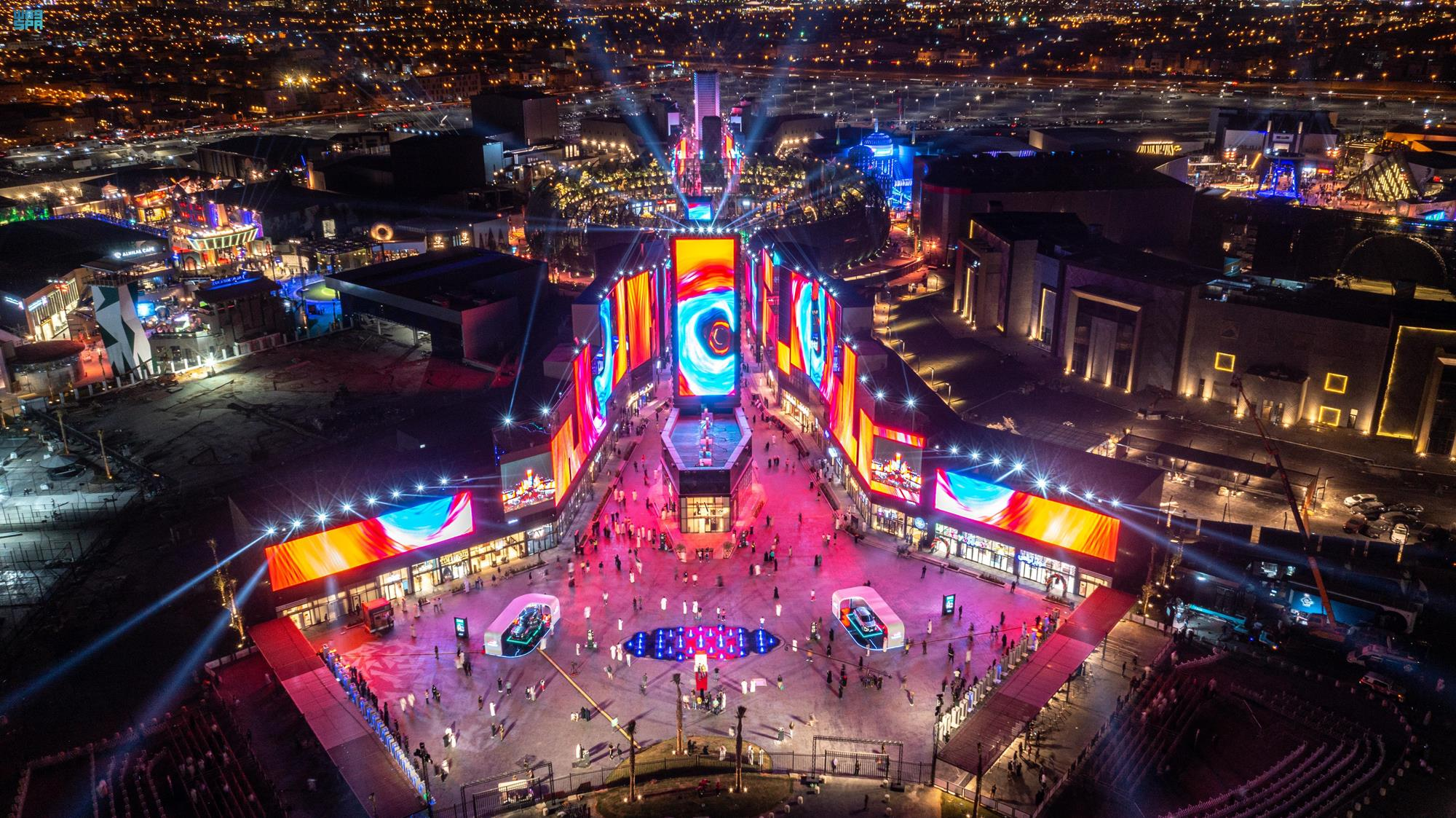
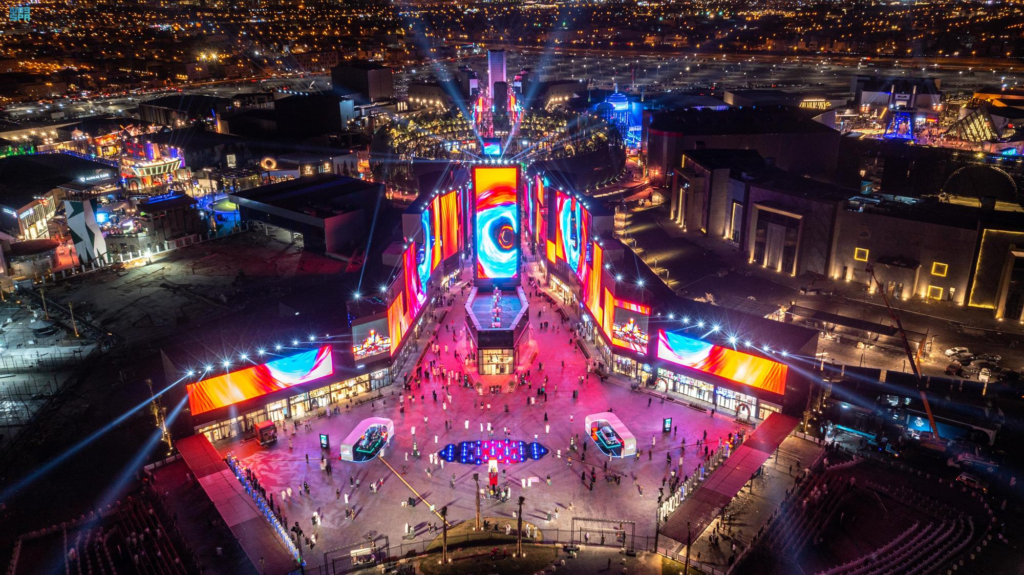
On 13 August 2026, the Jockey Club of Saudi Arabia (JCSA) confirmed the 2026–2027 Riyadh racing calendar: 50 race days between 16 October and 17 April, headlined by the G1 Saudi Cup on 6 February and a newly upgraded Group 2 Saudi Derby. It is a small, sport-specific announcement on its own — but it lands at exactly the moment Riyadh’s much larger entertainment machine, Riyadh Season, is expected to open its seventh edition. For venues, production houses, and AV and logistics companies working across the capital, the next eight weeks are when two massive, overlapping calendars lock into place at once.
Riyadh Season has run six editions since 2019, typically spanning October through the following spring across a network of dedicated zones — Boulevard City, Boulevard World, and purpose-built arenas including Kingdom Arena and anb Arena — alongside King Abdulaziz Racecourse, which sits outside the Season’s branding but shares its calendar window, audience, and much of its supplier base. The most recent (sixth) edition spanned eleven entertainment zones, fifteen world championships, and thirty-four exhibitions and festivals. With the seventh edition expected to open in October 2026 and the racing season now confirmed to start 16 October, production teams are effectively staffing two concurrent, multi-month event programmes that share the same city, the same specialist labour pool, and in many cases the same vendors.
The JCSA’s 2026–2027 schedule includes 21 feature race days across seven standout weekends — among them the Crown Prince Cup (27 November), the King’s Weekend (18–19 December), the Custodian of the Two Holy Mosques weekend (8–9 January), and Saudi Cup week (6 February) — plus two new recurring series, the Riyadh Crown Series and Riyadh Sword Series, adding three additional race dates apiece between December and March. For AV, hospitality, and event-staffing companies, each of these weekends represents a fixed, non-negotiable production date competing for the same crews, rigging equipment, and hospitality suites that Riyadh Season’s own zone openings and concert dates will be drawing on simultaneously.
With roughly eight weeks between today and the expected mid-October launch window, this is the period when:
Sources



